

Event trends 2026 | The complete guide to business events
The complete guide to business events, trade shows, and conferences


.webp)
The events sector is entering 2026 with a clear shift: less "more of the same" and more focus on impact, experience, measurable value, and flexibility. Organizers are looking for ways to run larger programs with tighter margins, higher expectations, and increasingly international audiences.
In this Event Guide, you will find the most important event trends for 2026 — based on what is reflected in leading industry reports and publications worldwide, as well as what you notice in practice on the exhibition floor and in conference centers.
1) Experience-first: events are designed around attention
The days of "a large hall with a stage" are over. In 2026, events will be designed based on one question: how do we keep visitors truly engaged?
What you will see more and more often in 2026:
- Zoning with multiple smaller content and meeting areas
- Less noise, more focus: acoustics and comfort become core components of the concept
- Stronger storytelling: visitors must feel that every part 'fits'
Why this works: better attention → better interaction → higher content value → more satisfied visitors and partners.
Here's how to respond to this: create a clear mix of high-energy zones (expo/brand) and focus zones (workshops, breakouts, talks) within your event.
2) Flexible event spaces are the new norm
Programs change more quickly, spaces must adapt. By 2026, flexibility will be a basic requirement:
- Quick setup and dismantling (time is money)
- Modular layout per session, target group, or sponsor
- Reusable and scalable between events and locations
Practical benefits: less dependence on custom construction, less waste, faster response to last-minute changes.
3) AI & data: from planning to personalized attendee journeys
By 2026, AI will be much less of a "gimmick" and much more of a workflow:
- Faster content curation (sessions, tracks, recommendations)
- Smarter matchmaking (networking with intent)
- Data-driven optimization (flow, traffic, occupancy, engagement)
Important in 2026: transparency about data use and privacy. The winners will be events that offer personalization and maintain trust.
4) Hybrids continue to become smarter and more selective
Hybrid events remain relevant, but in 2026 you will make a conscious choice:
- Don't stream everything live, but do so strategically: keynotes, highlights, community moments
- On-demand libraries as “long tail” content
- Digital formats that are not "a camera on a stage" but have their own value
In short: by 2026, hybrid will not be a standard checkbox, but a conscious product choice.
5) Sponsorship is shifting: brands are buying outcomes, not square meters
This is one of the biggest changes in 2026.
Sponsors want less "logo top left" and more:
- Measurable exposure (reach, views, leads, dwell time)
- Valuable interaction (sessions, activations, community)
- Spaces where brand and experience come together (workshops, lounges, demo rooms)
What this means for organizers: your sponsorship packages are shifting from booth space to experience + data.
Specific ideas for 2026 sponsorship packages:
- Sponsored breakout series with registration + attendee data (opt-in)
- “Meet & solve” clinics (small group, high relevance)
- Product demo rooms with fixed time slots and reporting
Although standard booth space packages remain, you are increasingly seeing organizers combining experience with booth space.
6) Acoustics and "tranquility" become a competitive advantage
Visitors are more critical when it comes to comfort. An event may be strong in terms of content, but if people cannot understand each other, the experience suffers.
In 2026, you will therefore see:
- More closed or semi-closed settings for breakouts
- Sound management as part of event design
- Focus on intelligibility, not volume
Practical tip: don't plan focus areas next to demo zones or food courts, or work with acoustically smart partitions.
7) Sustainability: from statement to system
By 2026, sustainability will no longer be a PR campaign, but an operational standard.
The sector is shifting from "we do something green" to:
- Reuse as standard (materials, structures, floors)
- Less single-use stand construction
- Smarter logistics planning (transport, bundling, locations)
What visitors and partners expect in 2026: clear choices, communicated in a down-to-earth manner and demonstrable. You see this everywhere.
8) Europe as a growth market for business events
The European market for business events is growing structurally and accelerating towards 2030. Several independent market studies confirm this development.
Key figures for European business events
The European market for business events is showing strong and structural growth towards 2030. According to international market research, the European event market, including meetings, congresses, and conferences, will grow from approximately $31.4 billion in 2020 to $123.9 billion in 2030. This represents an average annual growth of approximately 8.7%.
The broader MICE segment (Meetings, Incentives, Conferences & Exhibitions) is also developing strongly. In 2023, this market in Europe was valued at $401.95 billion, with expected growth to $751.50 billion in 2030. The associated growth forecast is around 9.4% per year.
Clear trends are visible within this market:
- Meetings and conferences constitute the largest and most stable segment within business events.
- Hybrid and virtual events are among the fastest growing segments of the market, with growth rates exceeding 10% per year.
- Western Europe, with key markets such as the United Kingdom, Germany, and France, remains the center of gravity for business events thanks to its strong infrastructure and international appeal.
- The Nordics are showing above-average growth in event management of around 9.1% per year, higher than the European average.
These figures show that the European market for business events is not only growing in size, but also developing towards more international formats, scalability, and flexibility, a clear shift in how business events are designed and organized.
Sources: Allied Market Research, Grand View Research
Checklist: how to make your event 2026-proof
- Design a floor plan based on attention (focus vs. energy)
- Make flexibility a hard requirement: modular, fast, reusable
- Build sponsorship packages around outcomes (experience + data)
- Use AI for efficiency and personalization, with privacy-by-design
- Improve acoustics and comfort: that's instant satisfaction
- Embed sustainability in choices and processes, not in slogans
FAQ: frequently asked questions about event trends in 2026
What is the biggest event trend for 2026?
The combination of experience-first design and measurable value (data/ROI) with flexibility and sustainability as a basis.
Will hybrid events remain important in 2026?
Yes, but more selectively: hybrid works best when it is your own product, not just a livestream.
As an organizer, what should I start with right away?
Start with zoning (focus areas), make flexibility non-negotiable, and rebuild your sponsorship packages to be outcome-based.
Conclusion
The events of 2026 will be bigger, more international, and more substantive, but above all, they will benefit from purposeful design. Those who invest in experience, flexibility, acoustics, data, and sustainability will create events that perform better and are more memorable.
Would you like to discuss a 2026-proof event concept or an efficient layout with breakout rooms? This can often be outlined in a single session: from flow and zones to a scalable plan.
Written by: Luc Woesthuis
Also interesting

QuickSpace SkyWall: A New Way to Flexibly Configure Large Event Halls
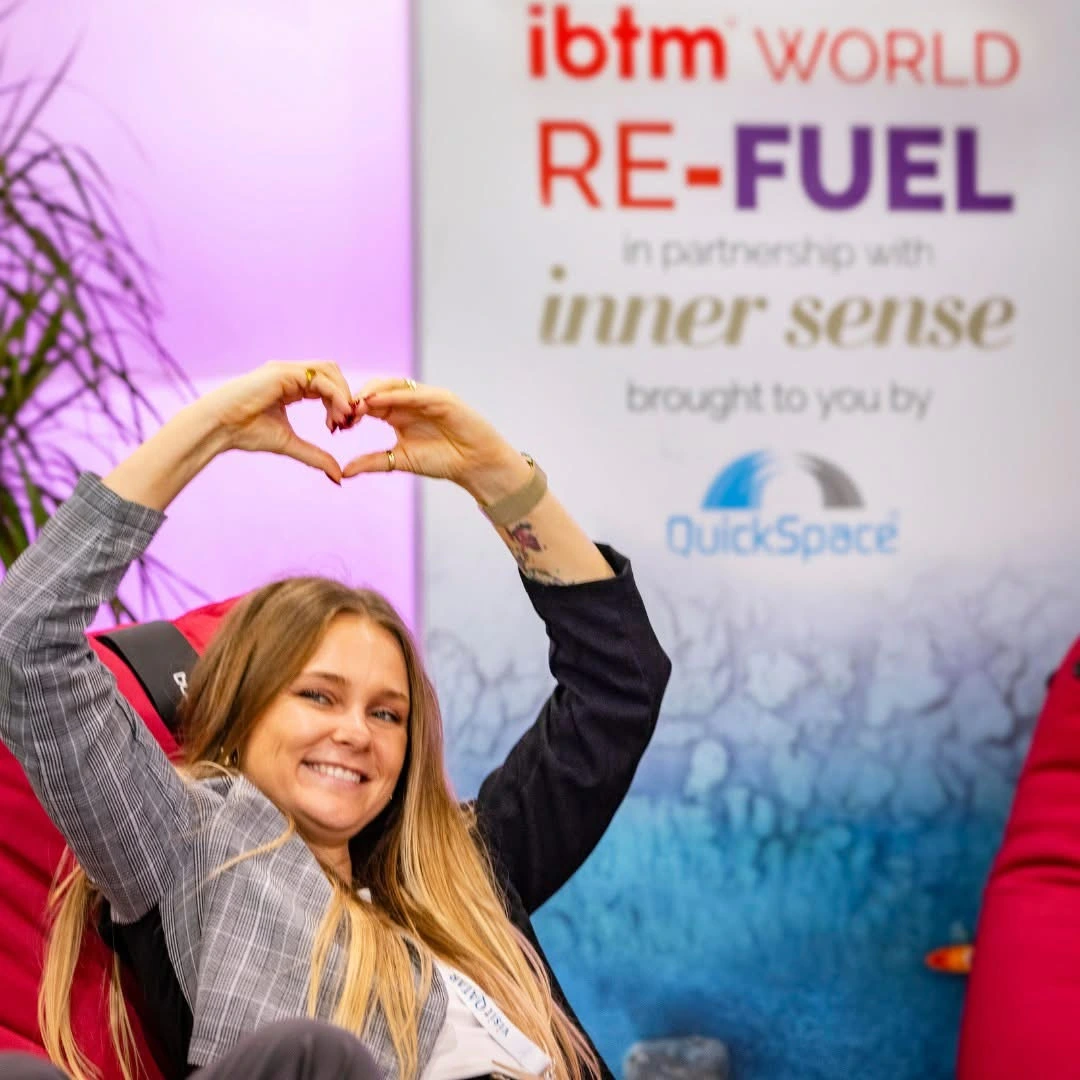
Quiet Zones at Events: Why Quiet Spaces Are Becoming Indispensable
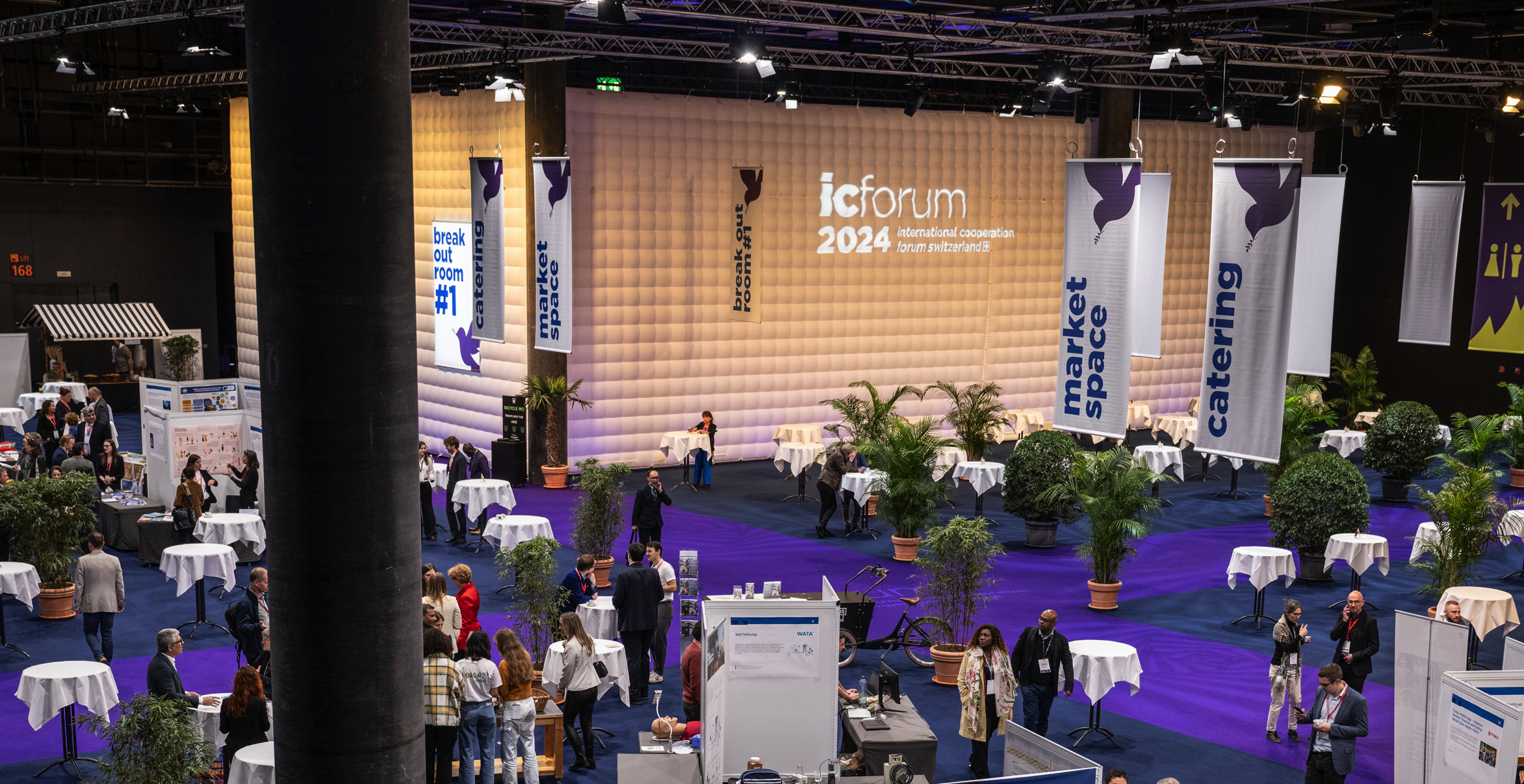
3 Common Event Layout Mistakes & How to Fix Them!
Contact

Call with
QuickSpace