



Events are becoming increasingly dynamic. A modern conference, trade show, or business gathering is no longer just a stage, a hall, and a few booths. These days, an event revolves around multiple program components happening simultaneously: keynotes, breakout sessions, workshops, networking opportunities, exhibition areas, catering, product demos, partner lounges, and informal get-togethers.
That makes events more interesting, but also more intense.
For visitors, a busy event day often means a lot of noise, a lot of movement, a lot of stimuli, and a lot of social interaction. This presents a significant challenge for organizers: how do you create an event environment that energizes people without overwhelming them?
One of the solutions to this is the quiet zone.
Quiet zones, low-stimulus spaces, and acoustically comfortable meeting areas are becoming increasingly important in the events industry. Not only for visitors who specifically need a quiet place, but also for anyone who wants to focus, discuss, or recharge during a busy day.
Why Quiet Spaces Are Becoming Increasingly Important
Visitors’ expectations have changed. People come to events to find inspiration, make new connections, and share knowledge. But they also expect comfort, clarity, and an environment where they can move around comfortably.
A large hall filled with booths, screens, music, and conversations can be very energizing. At the same time, it’s not always the best place for a good conversation, a focused meeting, or a short break.
That is why more and more organizers are looking for ways to create smaller zones within large event spaces—not as a separate addition, but as part of the overall event design.
A quiet zone can serve various purposes:
• A quiet place to escape the hustle and bustle for a moment
• A space with better acoustics for conversations
• A low-stimulus zone for visitors who need less noise and activity
• A meeting room for partners, sponsors, or clients
• A speaker preparation room
• A space for one-on-one conversations
• A quiet networking space where meaningful conversations take center stage
At its core, it all comes down to one thing: giving visitors more control over their event experience.
From Visitor Flow to Visitor Comfort
Much of event design starts with visitor flow. Where do people enter? Where is registration? Where are the booths located? How do people get from the conference program to the catering area?
That remains important, but it is no longer enough.
Good event design also takes comfort into account. Where can people retreat to? Where can conversations take place without being drowned out by the noise of the expo? Where can visitors sit for a moment without being right in the middle of the hustle and bustle?
This is especially important at business events. Success there often isn’t just about the number of visitors, but about the quality of interaction. A conversation between an exhibitor and a potential customer is more valuable when both parties can understand each other clearly. A workshop is more effective when participants can concentrate. Networking opportunities are more impactful when there are spaces where people can truly engage in conversation with one another.
Quiet spaces help improve that quality.
Low-stimulus spaces as part of inclusive event planning
A quiet zone isn't just convenient. It can also help make an event more inclusive.
Not everyone experiences a busy event environment in the same way. Noise, lights, crowds, lines, and constant movement can be tiring or overwhelming for some visitors. This applies not only to neurodivergent visitors, but also to people who are simply having a long, intense day at the event.
A low-stimulus space provides an accessible place to take a brief break. It ensures that visitors don’t have to leave the event to find some peace and quiet. They can step away from the hustle and bustle for a while and then rejoin the program.
A good low-stimulus space doesn't have to be complicated. The basics often include:
• Less noise
• Soft lighting
• Comfortable seating
• Clear signage
• A logical location on the floor plan
• Sufficient privacy without feeling completely enclosed
• An interior design without unnecessary visual stimuli
The most important thing is that the space was deliberately designed—not as a forgotten corner at the back of the hall, but as a full-fledged part of the event experience.
The Challenge of Large Event Venues
Many exhibition halls and conference venues are designed as large open spaces. This is practical in terms of capacity, logistics, and flexibility. However, it can sometimes make it difficult to quickly create smaller spaces.
Traditional solutions such as permanent walls, exhibition booths, pipe-and-drape systems, or temporary structures can work, but they aren’t always ideal. They often require a lot of setup time, materials, transportation, and coordination. Furthermore, they don’t always provide the desired aesthetic or acoustic improvements.
That is why there is a growing need for flexible room-in-room solutions.
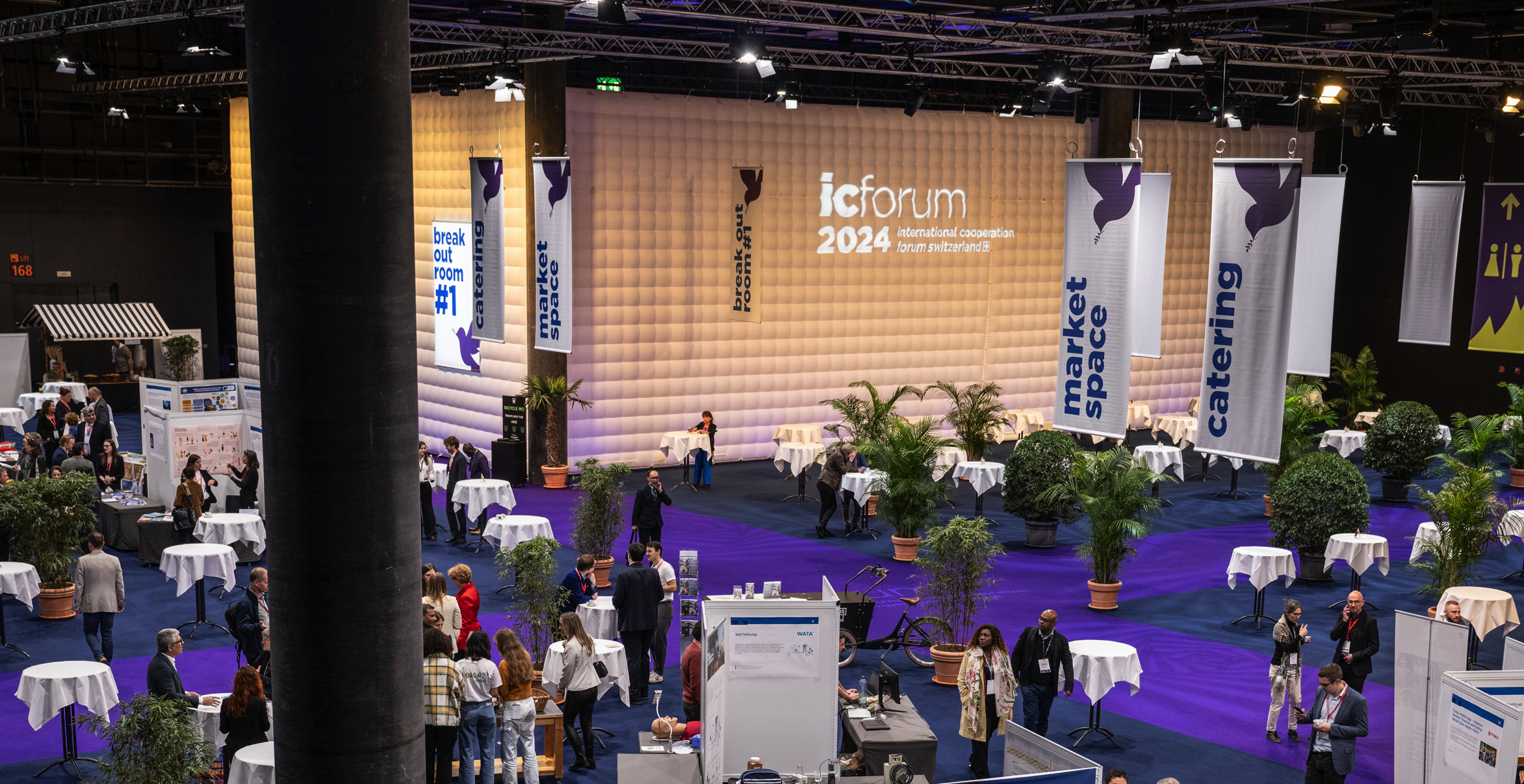
Temporary structures allow you to quickly create additional spaces within an existing hall without having to modify the venue itself. Examples include breakout rooms, meeting rooms, workshop spaces, quiet zones, or temporary partitions in areas where they are needed at that moment.
This makes large venues more functional without sacrificing their flexibility.
How Temporary Structures Help Create Quiet Zones
Temporary and modular event structures offer a practical way to add tranquility and functionality to a busy event setting.
Five factors are particularly important for quiet zones.
1. Acoustic comfort
A quiet space should clearly feel quieter than its surroundings. Acoustics play a major role in this.
In open exhibition halls, sound travels quickly. Conversations, presentations, music, and the flow of visitors all blend together. Adding temporary spaces or partitions provides greater acoustic control.
That doesn't mean every room has to be completely soundproof. Often, it's already beneficial if background noise is reduced and conversations become easier to understand.
2. Quick installation
Event setup is often tightly scheduled. Time is limited, multiple vendors are working simultaneously, and the venue must be ready on time.
A temporary room-within-a-room solution must therefore be quick to install. The less complex the construction, the easier it is to make last-minute adjustments or add extra spaces.
This is important for organizers. It gives them more flexibility in planning and allows them to better tailor the layout to the program.
3. Flexible placement
No two events are alike. Sometimes you need a quiet area next to the exhibition hall. Other times, you need a breakout space near the conference rooms or a meeting room close to a sponsor lounge.
Modular structures can be placed where they add the most value. As a result, the floor plan is not determined by the limitations of the venue, but by the needs of the event.
4. Professional appearance
A quiet zone doesn't have to be boring. In fact, quiet spaces can enhance the atmosphere of the event.
With lighting, branding, projections, or clear signage, a temporary space can become an integral part of the overall event identity. As a result, a quiet zone can be both functional and visually striking.
This is particularly interesting for sponsors, partners, or organizers who want to create their own space without traditional booth construction.
5. Reusability
Sustainability is playing an increasingly important role in event planning. Organizers are looking for solutions that generate less waste and can be reused more often.
Reusable temporary structures fit well with this trend. They make it possible to create spaces without having to use new walls, wooden structures, or single-use materials every time.
This makes quiet zones not only practical, but also better suited to more sustainable event concepts.
For which events are quiet zones a good idea?
Quiet zones and acoustically comfortable spaces are relevant for many different business events.
Consider:
• Conferences
• Trade shows and expos
• Corporate events
• Medical conferences
• Tech events
• HR and leadership events
• Educational events
• Investor events
• Startup events
• Multi-day conferences
• Internal company events
Events with long visitor hours, many program components, or busy exhibition areas can particularly benefit from quiet spaces.
Examples of Applications
A quiet zone can be used in various ways. The best approach depends on the type of event, the target audience, and the available space.
The Break Room
A place where visitors can sit for a moment, recharge, and take a break from the hustle and bustle. This space doesn't have to be large, but it should definitely feel noticeably calmer than the rest of the event floor.
The Acoustic Meeting Room
A temporary meeting room for meetings with clients, partners, or speakers. Ideal when privacy and clarity are important.
The breakout room
A space for smaller sessions, workshops, or roundtable discussions. Especially valuable for conferences with multiple program components.
The speaker preparation room
A quiet place where speakers can prepare, review their materials, or briefly consult with the organizers.
The Quiet Networking Zone
A networking space with less noise and more focus. This is ideal for events where meaningful conversations are more important than large crowds.
The Sponsor Lounge
A quiet, branded space where partners can host visitors without being completely separated from the event.
Where should you set up a quiet zone?
The location of a quiet zone is important. If you place it too far away, it will be used less often. If you place it right in the middle of the hustle and bustle, it will lose its purpose.
An ideal quiet zone should preferably be located:
• Close enough to the main route
• Not right next to the loudest parts of the event
• Clearly visible or well-marked
• Logically connected to the program
• Easily accessible for visitors who need some peace and quiet
It also helps to include the quiet zone on the floor plan, in the event app, and in advance communications. That way, visitors will know that the space exists and what it’s intended for.
Quiet Zones as Part of Better Event Design
The rise of quiet zones shows that event design is maturing. It’s no longer just about more programming, more visitors, and more stimuli. It’s about balance.
A great event has energy, but also a sense of calm. It features open spaces, but also areas for focus. It offers visibility, but also comfort.
By intentionally incorporating quiet spaces into the design, you can create a better event experience for visitors, exhibitors, sponsors, and organizers.
QuickSpace: Temporary Quiet Spaces at Busy Events
QuickSpace helps organizers and venues create temporary spaces within existing event settings. Our modular and inflatable structures are used for breakout rooms, meeting rooms, workshop spaces, presentation areas, lounges, and acoustic partitions.
For quiet zones and low-stimulus areas, our solutions offer a practical way to quickly add extra comfort and functionality to a trade show floor, conference venue, or corporate event.
Whether it’s a single quiet space, multiple breakout rooms, or a complete “room-within-a-room” layout within a large hall, temporary structures make an event more flexible, comfortable, and human.
After all, a good event isn't just about what visitors see, but also about how they feel.
Also interesting
.webp)
Event trends 2026 | The complete guide to business events
3 Common Event Layout Mistakes & How to Fix Them!
Transport in the Event Industry: Reducing the Carbon Footprint
Contact

Call with
QuickSpace